Few topics generate more heat and less light than the economics of immigration. These seven books turn the lights on, written by Stanford, Princeton, Oxford and Nobel-winning economists who work with real data rather than anecdotes. They tackle the questions everyone argues about: does immigration lower wages, strain public services, or erode institutions and what does the evidence actually say? Where the authors reach different conclusions, we note it, because honest disagreement is part of the picture.
These books are for understanding the economics, not for legal guidance on your own case, which is a question for a licensed attorney.
Quick picks:
- Best overall: Good Economics for Hard Times by Abhijit Banerjee. View on Amazon
- Best on mobility: Streets of Gold by Ran Abramitzky. View on Amazon
- Best on the institutions question: Wretched Refuse by Alex Nowrasteh. View on Amazon
The evidence on immigrants and the economy
Streets of Gold by Ran Abramitzky
Ran Abramitzky is Stanford and Princeton economists. A landmark study using millions of records to show that immigrant mobility today closely mirrors the past, upending common myths. Rigorous and genuinely surprising.
Best for: Data that reframes the whole debate.
→ View on AmazonGood Economics for Hard Times by Abhijit Banerjee
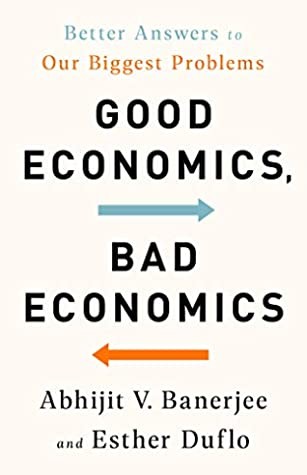
Abhijit Banerjee is Nobel laureate economists. A clear-headed look at the biggest economic debates, including a standout, evidence-based chapter dismantling myths about immigration's effects on wages and jobs.
Best for: The economics, myth by myth.
→ View on AmazonWretched Refuse by Alex Nowrasteh
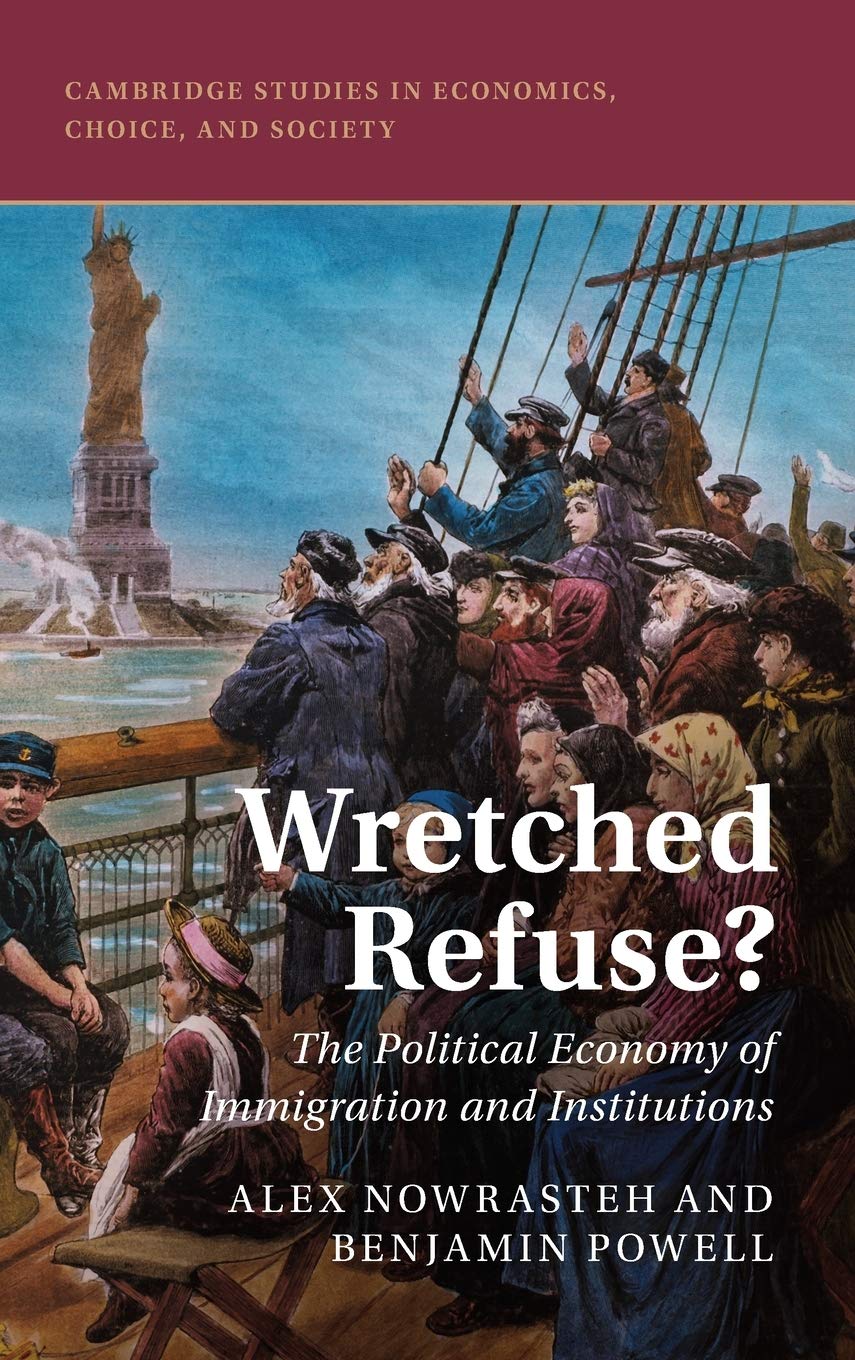
Alex Nowrasteh is two economists. A data-heavy rebuttal to the claim that immigrants erode the institutions that make countries prosperous. Stance: argues immigration does not undermine host-country institutions.
Best for: Testing the institutions objection.
→ View on AmazonThe Gift of Global Talent by William Kerr
William Kerr is a Harvard Business School professor. A clear-eyed look at how the global competition for skilled workers shapes economies and why immigration policy is central to it. Essential for understanding high-skilled migration.
Best for: How talent migration shapes economies.
→ View on AmazonThe bigger picture
Exodus by Paul Collier
Paul Collier is an Oxford economist. A careful, middle-ground analysis of migration's effects on migrants, host countries and origin countries. Stance: cautious, argues for managed rather than unlimited migration.
Best for: A measured, managed-migration view.
→ View on AmazonMove by Parag Khanna
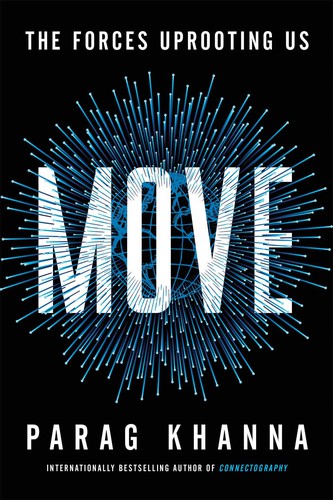
Parag Khanna is a global-strategy scholar. A sweeping look at how climate, demographics and technology will drive mass human movement this century. Big-picture and forward-looking.
Best for: The future forces of migration.
→ View on AmazonThe Next Great Migration by Sonia Shah
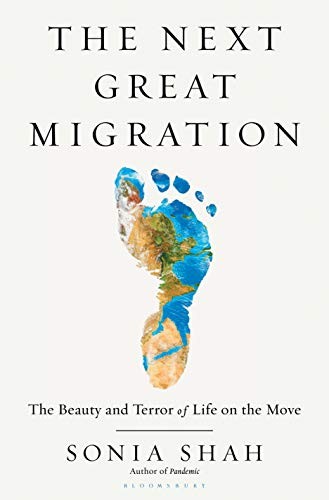
Sonia Shah is a science journalist. A history-and-science argument that human movement is natural and beneficial, pushing back on the idea of migration as crisis. Stance: reframes migration as normal, not threat.
Best for: Migration as a natural human story.
→ View on AmazonHow we chose these
We looked for authors with real authority or genuine lived experience: immigration attorneys and economists, credentialed historians and scholars, award-winning journalists and the memoirists who lived these stories. Where a book takes a policy position, we note it plainly and let you decide. We describe and compare these books to help you choose; we do not reproduce their contents.
Please note: these are books, not legal advice. U.S. immigration law changes frequently and every case is different. For your specific situation, consult a licensed immigration attorney.