The self-help shelf is enormous, unregulated and mostly written by people with no clinical training. These seven books are the exception. Every author is a psychiatrist, a research psychologist, or a licensed therapist and every one is grounded in methods that actually have evidence behind them, chiefly CBT and ACT, the two most studied talking therapies. If you want books that genuinely help rather than just feel good to read, this is the credentialed shelf.
Please read this first: these are books, not treatment and they are not a substitute for professional care. If you are struggling with your mental health, reach out to a doctor or therapist and if you are in crisis, contact a crisis line or emergency services right away. A good book can support you, but it cannot replace real help.
Quick picks:
- The evidence-based classic: Feeling Good by David Burns, MD. View on Amazon
- The best on anxiety and habits: Unwinding Anxiety by Judson Brewer, MD, PhD. View on Amazon
- The most human and moving: Maybe You Should Talk to Someone by Lori Gottlieb, LMFT. View on Amazon
The proven methods
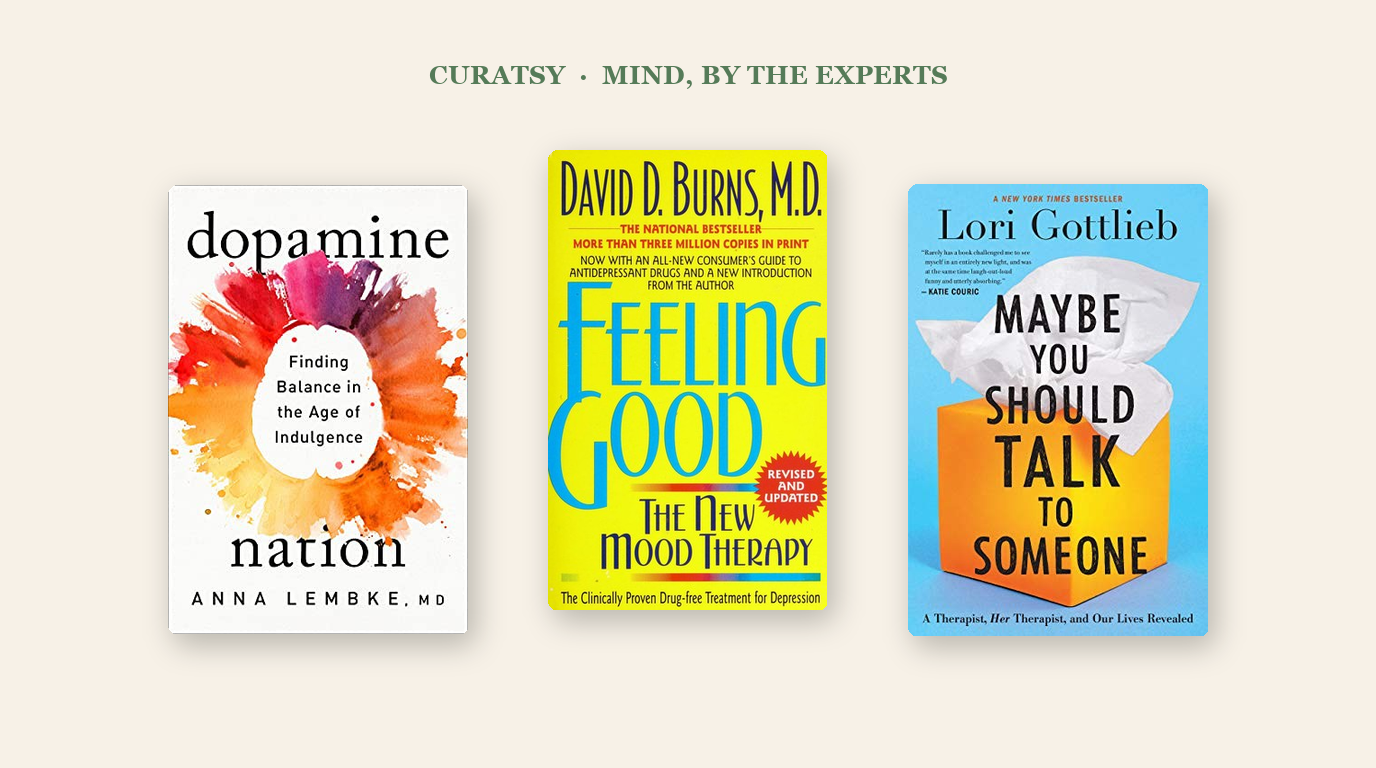
1. Feeling Good by David Burns, MD
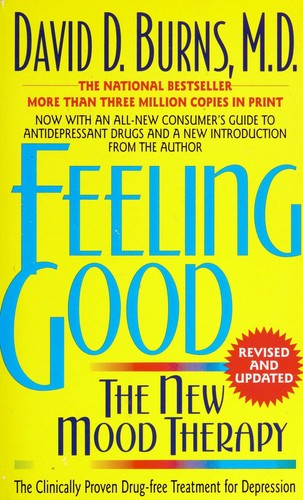
The Evidence-Based Classic
Burns is a psychiatrist who popularized cognitive behavioral therapy for a general audience and Feeling Good is the book therapists have recommended for decades. It teaches you to identify and challenge the distorted thoughts that drive low mood, with worksheets you actually do. Studies have found that reading it can measurably help with depression, which almost no self-help book can claim.
Read this if you loved: A practical toolkit you work through, not just inspiration.
Honest note: The style is dated and the worksheets take effort. The method underneath is among the most validated in all of psychology.
→ Buy on Amazon2. The Happiness Trap by Russ Harris, MD
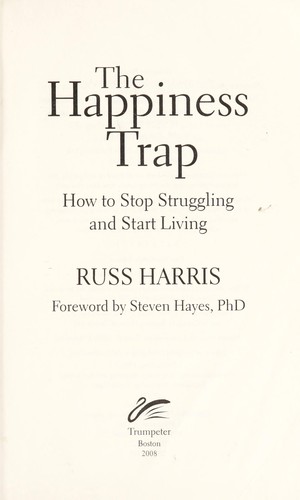
A Modern, Gentler Approach
Harris is a physician and therapist who made Acceptance and Commitment Therapy accessible to everyone. Instead of fighting difficult thoughts, ACT teaches you to unhook from them and act on your values anyway. For people who find classic CBT too much like arguing with themselves, this is the fresher, kinder alternative and it is just as evidence-based.
Read this if you loved: The relief of stopping the struggle to feel a certain way.
Honest note: The core ideas can feel counterintuitive at first. Stick with the exercises, because the shift they produce is the whole point.
→ Buy on AmazonAnxiety and the modern brain
3. Unwinding Anxiety by Judson Brewer, MD, PhD
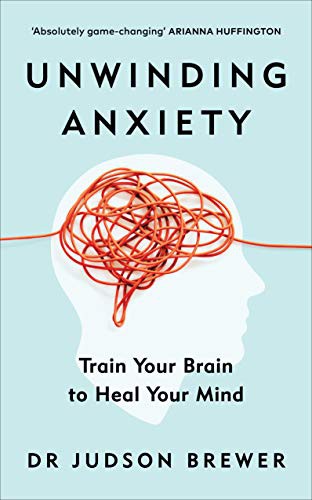
Why Anxiety Is a Habit and How to Break It
Brewer is a psychiatrist and neuroscientist who studies habit formation and this book reframes anxiety as a habit loop your brain has learned. He then walks you through a mindfulness-based method to interrupt it, grounded in his own clinical research. It is the most useful book here for anyone whose main struggle is worry that will not switch off.
Read this if you loved: Atomic Habits, aimed at the habit of worrying.
Honest note: It leans on his specific app-based program, which you can skip. The underlying approach stands on its own.
→ Buy on Amazon4. Dopamine Nation by Anna Lembke, MD
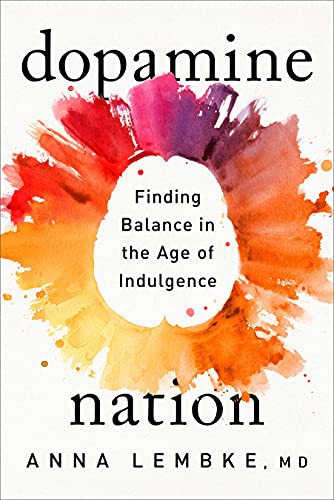
Why Everything Feels Compulsive Now
Lembke is a Stanford psychiatrist and addiction specialist and this book explains why a world of endless, easy pleasure leaves us more anxious and less satisfied. She covers the neuroscience of dopamine and the surprisingly practical fixes, from a phone in another room to deliberate discomfort. It reframes a lot of modern restlessness as a solvable balance problem.
Read this if you loved: A clear brain-science explanation for why you cannot stop scrolling.
Honest note: The addiction framing is broad, applied to everything from drugs to social media. Read it as a useful lens, not a diagnosis of yourself.
→ Buy on Amazon5. Chatter by Ethan Kross, PhD
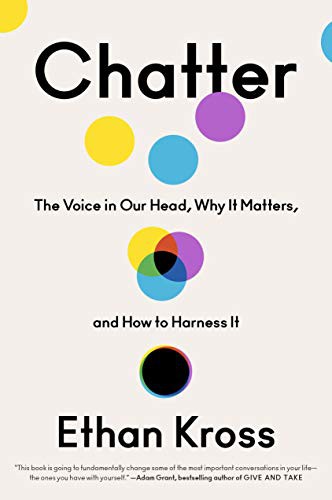
Quieting the Voice in Your Head
Kross is a psychologist who runs a lab studying our inner voice and Chatter is about the negative self-talk that spirals in our heads and the science-backed tricks to calm it. Small, concrete tools, like talking to yourself in the third person, that research shows actually work. It is a focused, practical read on one of the most universal mental struggles.
Read this if you loved: A tight book full of tools you can use the same day.
Honest note: It is narrow by design, focused on self-talk rather than mental health broadly. Within that lane, it is excellent and rigorously sourced.
→ Buy on AmazonBeing kinder to yourself
6. Self-Compassion by Kristin Neff, PhD
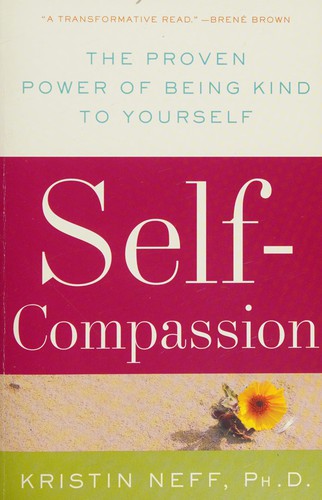
The Antidote to Your Inner Critic
Neff is the research psychologist who pioneered the scientific study of self-compassion and this book makes the case, with data, that treating yourself with kindness works better than harsh self-criticism. For high achievers who beat themselves up as a strategy, it is a genuinely useful reframe backed by real research rather than platitudes.
Read this if you loved: Evidence that being kinder to yourself is effective, not soft.
Honest note: Some exercises can feel awkward at first, especially if self-criticism is your default. That discomfort is exactly the muscle it is building.
→ Buy on Amazon7. Maybe You Should Talk to Someone by Lori Gottlieb, LMFT
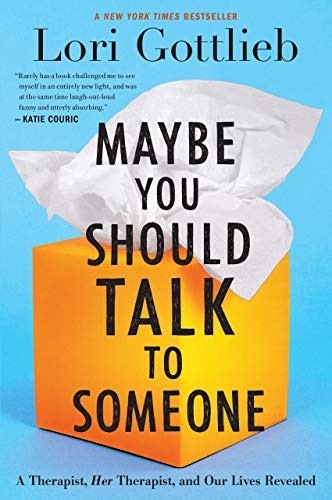
Therapy, From Both Sides of the Couch
Gottlieb is a licensed therapist who wrote a warm, gripping account of her own patients and her own time in therapy. It is not a how-to, it is the book that makes therapy feel human and worth trying and it demystifies the whole process. For anyone unsure whether to seek help, this is the most persuasive, least preachy nudge on the list.
Read this if you loved: A memoir that reads like a novel and quietly changes your mind.
Honest note: It is stories rather than a method, so pair it with Feeling Good if you want concrete tools. As encouragement to actually get help, nothing here beats it.
→ Buy on AmazonHow we chose these
We applied our rule strictly, which matters more here than anywhere: if we could not verify the author's clinical or research credential in about two minutes, the book did not make the list. What remains is a set of psychiatrists, research psychologists and a licensed therapist, all working from methods with real evidence. No life coaches, no manifesting, no unqualified gurus.
Prefer to listen? Maybe You Should Talk to Someone is a wonderful audiobook. If you do not have a subscription yet, an Audible trial gets you the first listen at no cost.