Stress and mindfulness are drowning in vague wellness talk and app subscriptions. These six books are the substance underneath the noise. Every author is a research scientist or a physician and every one explains what stress actually does to your body and what genuinely calms it, from the neuroscience of the stress response to the proven practice of meditation. If you want the real science rather than a vibe, this is the credentialed shelf.
A note before you buy: these are books, not medical advice. Chronic stress and anxiety can have real health effects, so if yours feels unmanageable, talk to a doctor or therapist. These reads are for understanding and everyday practice, not treatment.
Want tools to help you actually wind down? Our companion roundup, the best calm and stress-relief buys for home, covers weighted blankets, diffusers and sound machines, ranked across 300,000+ reviews.
Quick picks:
- The classic on the stress response: Why Zebras Don't Get Ulcers by Robert Sapolsky, PhD. View on Amazon
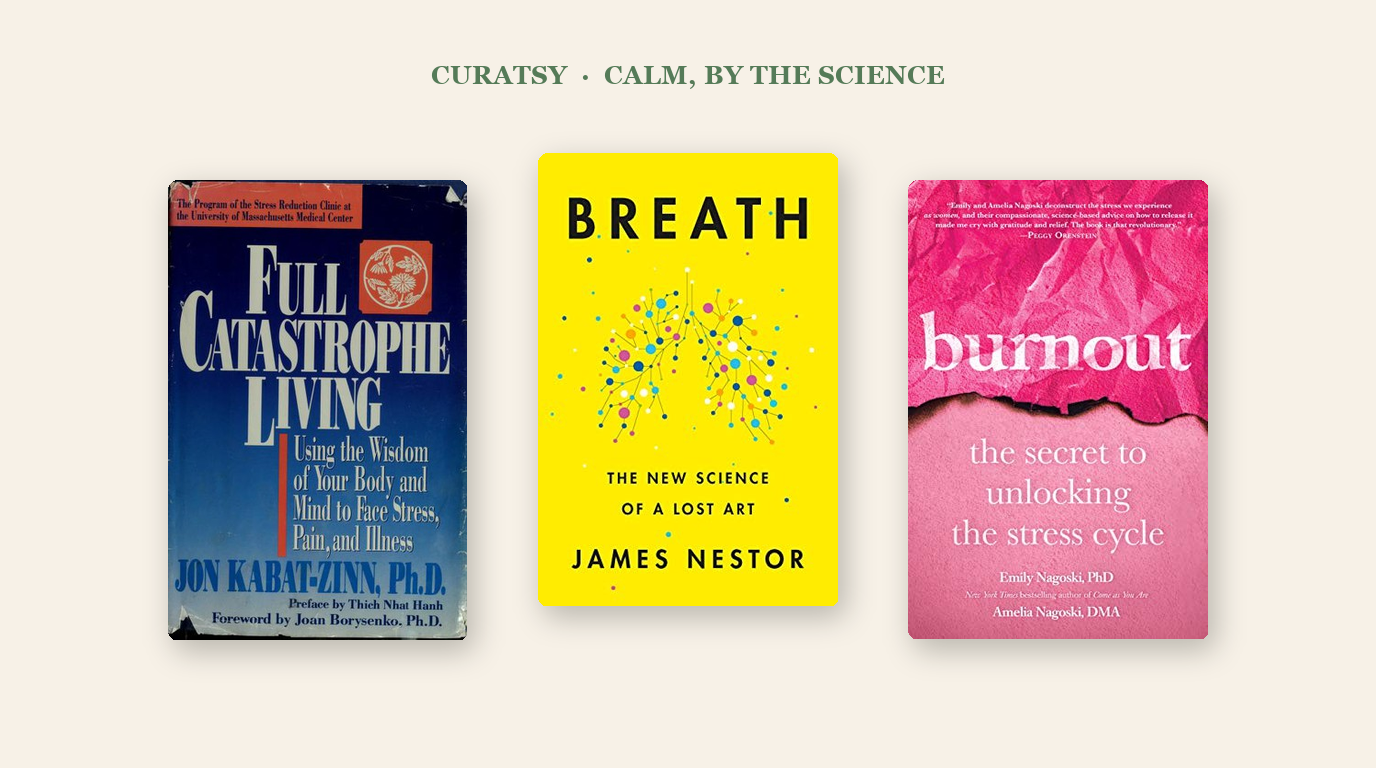
- The foundational mindfulness text: Full Catastrophe Living by Jon Kabat-Zinn, PhD. View on Amazon
- The one everyone is talking about: Breath by James Nestor. View on Amazon
The foundations of stress and calm
1. Why Zebras Don't Get Ulcers by Robert Sapolsky, PhD
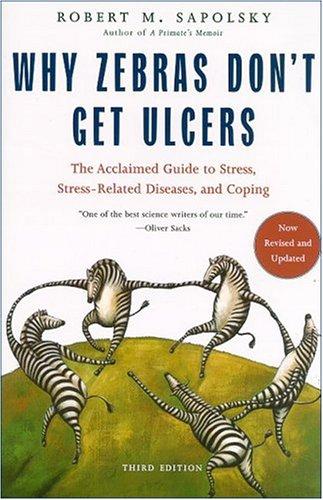
The Definitive Book on Stress
Sapolsky is a Stanford neuroscientist and this is the classic, witty, endlessly readable explanation of why the human stress response, built for short-term danger, wrecks us when it runs constantly. It connects chronic stress to nearly every system in the body and explains, with humor and rigor, why we suffer and what helps. The single best book on stress ever written for a general reader.
Read this if you loved: Behave, Sapolsky's other masterwork, focused on stress.
Honest note: It is long and packed with physiology, more education than quick fix. The payoff is understanding stress at a level almost no other book delivers.
→ Buy on Amazon2. The Relaxation Response by Herbert Benson, MD
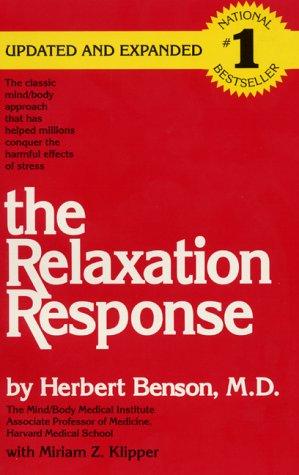
The Original Science of Calm
Benson was a Harvard cardiologist who documented the physiological opposite of the stress response and named it. This short, foundational book gives you a simple, secular, evidence-based technique to trigger deep calm, decades before mindfulness became a trend. It is the scientific root of much of what the wellness industry now repackages.
Read this if you loved: A simple, proven method stripped of any mysticism.
Honest note: It is dated and brief and the technique is basic by modern standards. That simplicity is the point and the science behind it still holds.
→ Buy on AmazonMindfulness, properly taught
3. Full Catastrophe Living by Jon Kabat-Zinn, PhD
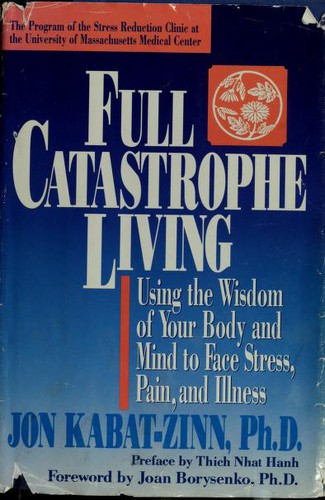
The Foundational Mindfulness Text
Kabat-Zinn is the scientist who created Mindfulness-Based Stress Reduction, the program that brought meditation into hospitals and mainstream medicine. This is the comprehensive manual for using mindfulness to cope with stress, pain and illness, straight from the source. It is the serious, evidence-based foundation beneath every meditation app you have ever downloaded.
Read this if you loved: The real, clinical version of what apps offer in fragments.
Honest note: It is a big, thorough book, more of a course than a quick read. Treat it as the definitive reference and practice guide, not a weekend read.
→ Buy on Amazon4. Altered Traits by Daniel Goleman and Richard Davidson, PhDs
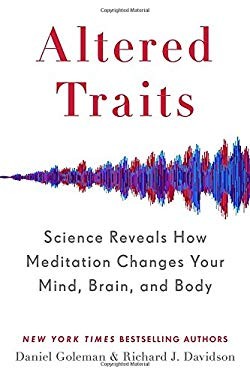
What Meditation Actually Does to You
Goleman and Davidson are psychologists and Davidson is a leading neuroscientist of meditation. Together they sort the real, evidence-backed effects of meditation from the hype, showing what the research genuinely supports and what it does not. It is the honest, skeptical scientist's guide to what a practice can and cannot change.
Read this if you loved: A rigorous separation of meditation's proven benefits from the overclaims.
Honest note: It is careful and measured, which means it deflates some popular promises. That honesty is exactly what makes it trustworthy.
→ Buy on AmazonModern stress and the body
5. Burnout by Emily Nagoski, PhD and Amelia Nagoski, DMA
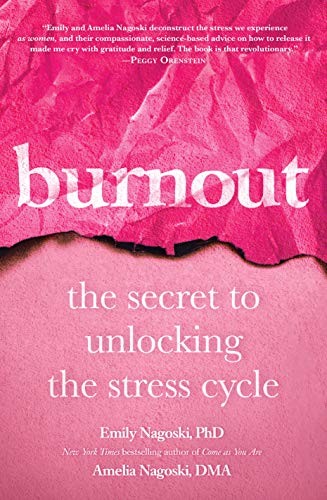
Completing the Stress Cycle
The Nagoski sisters, a health educator with a PhD and a doctor of musical arts, wrote the book that reframes burnout, especially for women. Their key idea is that dealing with stressors is not the same as completing the physiological stress cycle in your body and they explain concrete ways to actually discharge stress. It is practical, warm and genuinely useful.
Read this if you loved: A fresh, actionable frame on why you still feel wired after the problem is solved.
Honest note: It is aimed largely at women and their specific pressures, though the physiology applies to everyone. The stress-cycle concept alone is worth the read.
→ Buy on Amazon6. Breath by James Nestor
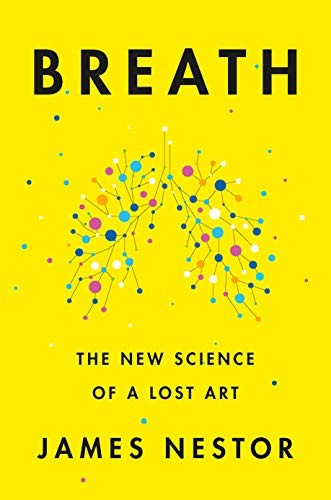
The Overlooked Power of How You Breathe
This is our one journalist pick and it earns the spot. Nestor is a science writer who dives into the research and history of breathing and makes a genuinely surprising, well-reported case that how you breathe affects your health, sleep and stress more than you think. It is the most purely fascinating book on this list.
Read this if you loved: A gripping science-journalism read that changes a daily habit.
Honest note: It is reporting rather than peer-reviewed medicine and some claims outrun the strongest evidence. We include it because the core, well-supported message, breathe through your nose and slow down, is simple and sound and clearly labeled as journalism.
→ Buy on AmazonHow we chose these
We applied our rule: if we could not verify the author's credential from a publisher or university bio in about two minutes, the book did not make the list. What remains is a Stanford neuroscientist, a Harvard cardiologist, the founder of clinical mindfulness, leading meditation researchers and one clearly labeled science journalist. No app-store gurus, no vague wellness influencers.
Prefer to listen? Breath and Why Zebras Don't Get Ulcers both make excellent audiobooks. If you do not have a subscription yet, an Audible trial gets you the first listen at no cost.