Ten strangers receive invitations to a private island off the Devon coast. None of them knows the host. By the end of the first evening a gramophone recording has accused each of them of murder; by the end of the weekend the island holds only bodies. Published in 1939, this is the best-selling crime novel ever written, with estimated sales beyond 100 million copies, a figure no other mystery has ever approached.
What it's about
The setup is elegant to the point of cruelty. Each guest has been lured to Soldier Island under a different pretext; each carries a death on their conscience that the law could never touch. A framed nursery rhyme hangs in every bedroom, counting down from ten. When the first guest dies in a way that mirrors the rhyme's opening verse, the remaining nine understand the rules of the game they are trapped inside.
With no boat, no phone line, no possible escape, the survivors realize the killer must be one of them. Christie strips away every convention that usually softens a whodunit. There is no detective, no comforting authority figure, no guarantee anyone will be left alive to explain what happened. She later called it the most difficult book she ever wrote, precisely because the plot demanded a murderer who could operate unseen among ten paranoid witnesses without the solution feeling like a cheat.
Why everyone's talking about it
Because everything descends from it. The isolated house party, the guilty guests, the killer hiding in plain sight: the entire closed-circle subgenre traces back to this single novel. Lucy Foley, Ruth Ware, countless slasher films where a group gets picked off one by one; all of it borrows Christie's architecture. New stage, screen and audio adaptations arrive every few years, which keeps the book in steady rotation on BookTok alongside thrillers a fraction of its age.
The verdict, for now
The puzzle is flawless; the people are not. Christie's characters are functional sketches, drawn just deeply enough to carry their secrets, so readers who want rich interior lives will find the cast thin by modern standards. The book's publication history also carries real baggage: its original British title used a racist slur, a fact worth knowing about the era it emerged from. None of that blunts the machine itself. More than eighty years on, the trap still springs perfectly; the solution still ranks among the most audacious in the genre. Start here if you have never read Christie. Everything else is commentary.
Read it if you loved
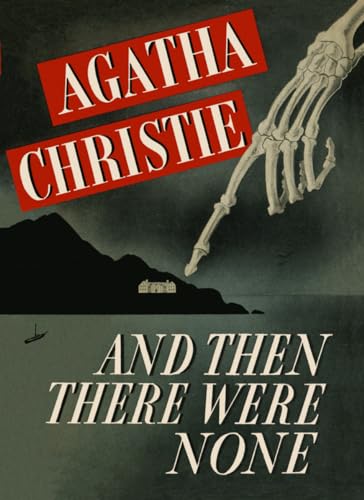
Ready to read And Then There Were None?
Get it on Amazon →