Some novels you finish. This one finishes you. Toni Morrison's 1987 novel about a formerly enslaved woman in post-Civil War Ohio is the rare book that arrives with a mountain of prizes attached (Pulitzer in 1988, cited when Morrison won the Nobel in 1993) and still manages to feel dangerous rather than embalmed. It is short. It is not easy. It is the kind of book people carry around for years afterward.
What it's about
Sethe lives at 124 Bluestone Road outside Cincinnati in the years after emancipation, in a house that is not at peace. She escaped slavery from a Kentucky farm bitterly misnamed Sweet Home. Her surviving daughter Denver lives with her; her sons have gone; her mother-in-law has died. When a man from her past arrives, then a young woman calling herself Beloved, the house's restless history stops being metaphorical.
Morrison drew on the historical case of Margaret Garner, a woman who escaped slavery and, when recapture became certain, killed her own child rather than let her be taken back. The novel does not treat that act as a puzzle to be solved or a verdict to be delivered. It circles it. Information arrives sideways, in fragments, held back and then released, so that understanding what happened and understanding why it happened land at different moments. The book is as much about what survivors can bear to remember as about what was done to them.
Why everyone's talking about it
Nearly four decades on, Beloved remains one of the most assigned and most challenged books in American classrooms; in 2021 it became a talking point in a Virginia governor's race, which tells you something about how live the material still is. A 2006 New York Times survey of writers and critics named it the best American novel of the previous twenty-five years. It sits at the center of arguments about how American literature handles slavery: not as historical backdrop but as an ongoing psychological event with a body count that keeps counting.
The verdict, for now
Read it, but know what you are getting. Morrison withholds. The chronology fractures, the point of view shifts without announcement; there is a late section written in something close to unpunctuated stream of consciousness that defeats plenty of capable readers on a first pass. Some people find the supernatural frame heavy-handed. Anyone wanting a clean narrative arc should look elsewhere. What you get instead is prose of extraordinary compression and a moral seriousness almost nothing else in the American canon matches. Give it your full attention, ideally with a second reading in mind.
Read it if you loved
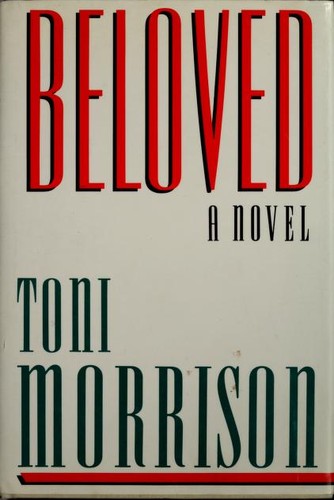
Ready to read Beloved?
Get it on Amazon →