A teenager wrote the book that invented science fiction, on a dare, during a rained-out summer by a Swiss lake. Mary Shelley was nineteen. Two centuries later Frankenstein has outlived nearly everything written by the famous men in the room that night, because she asked a question we still cannot answer: what do we owe the things we bring into the world.
What it's about
Victor Frankenstein is a gifted, feverish student who becomes obsessed with the secret of life and, alone in his rooms, assembles a body from the dead and gives it a spark. The moment it opens its eyes he is revolted by his own creation and runs. That single act of abandonment is the engine of the whole tragedy.
Left to fend for itself, the creature is not the grunting monster of the movies. It is eloquent, sensitive and desperate to be loved and it teaches itself language and philosophy by watching a family through a chink in a wall. Rejected everywhere for its appearance, it slowly hardens into something vengeful and demands one thing of its maker: a companion as lonely as itself. When Victor refuses, the two of them chase each other to the ends of the earth, all the way into the polar ice.
Why everyone's talking about it
Frankenstein has never stopped being relevant, but the age of artificial intelligence has made it feel freshly urgent. It is the original cautionary tale about creating something you do not understand and cannot control and about the moral weight of being a maker. Strip away the gothic trappings and it reads like a parable written for this exact decade.
If you come expecting a horror monster movie, adjust your expectations: this is a philosophical tragedy told in letters and long confessions, closer to a lament than a scream. The language is early-nineteenth-century and takes a few pages to settle into. Stay with it. Once the creature begins to speak for itself, the book turns devastating and you will never see the green-faced Halloween version the same way again.
The verdict, for now
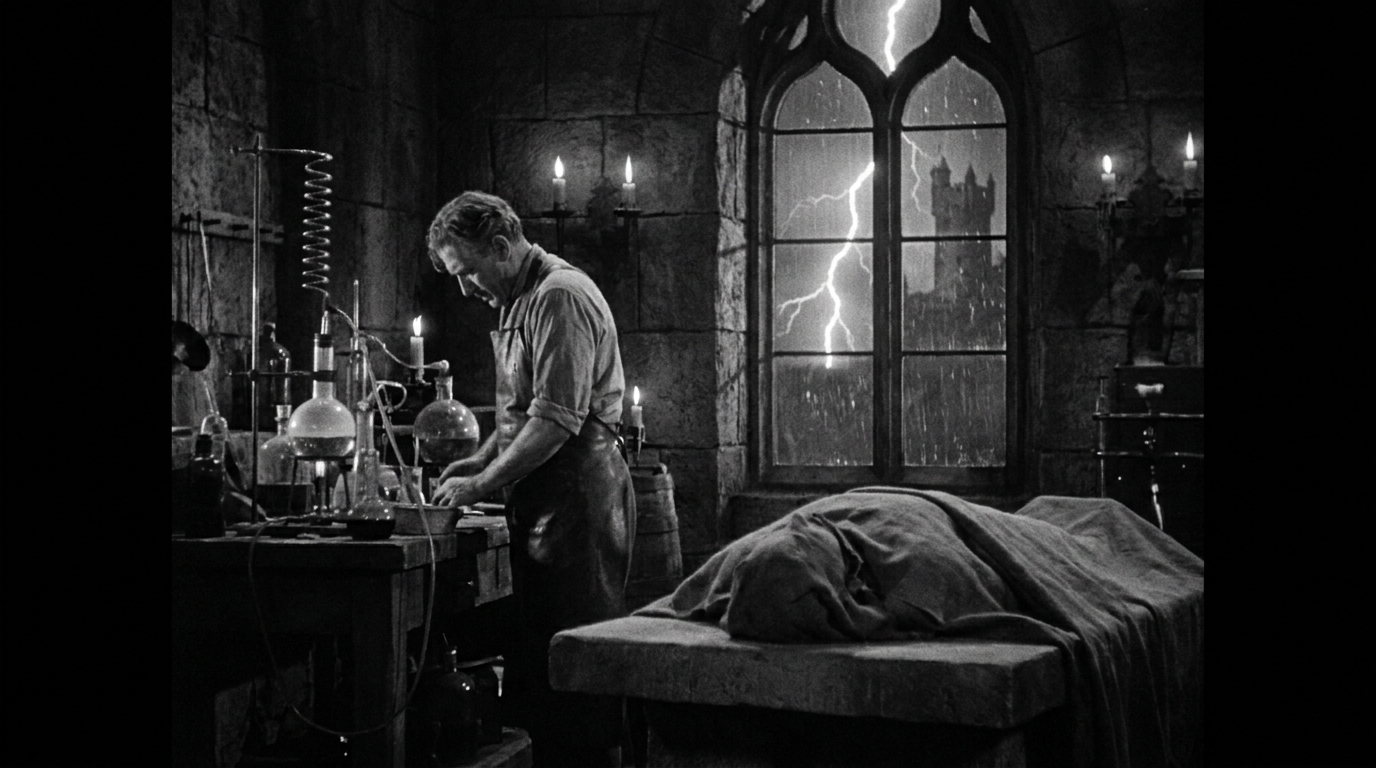
Read it and read it as the argument it is. Come for the lightning and the laboratory, stay for the most sympathetic monster in literature and the maker who failed him. Some books are assigned in school and forgotten. This one only gets more true.
Read it if you loved
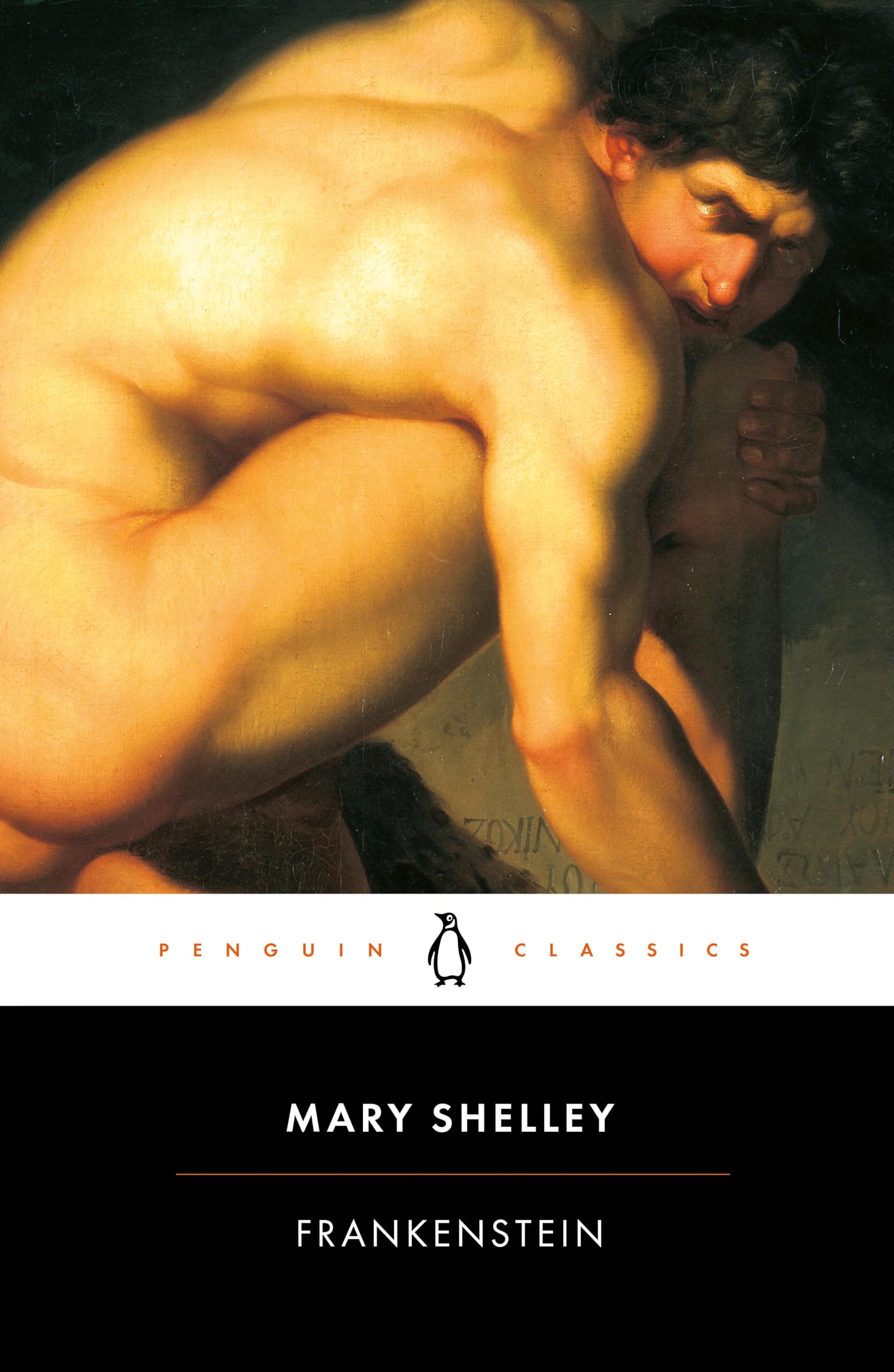
Ready to read Frankenstein?
Get it on Amazon →