Some books create a subgenre; Gone Girl created an industry. Gillian Flynn's 2012 thriller about a marriage curdling into something monstrous became a cultural event, spawned a decade of "Girl" titles, gave us the phrase "Cool Girl" as shorthand for performed femininity. Fourteen years later, imitators keep arriving; almost none of them match the original's venom, wit or structural nerve.
What it's about
On the morning of their fifth wedding anniversary, Amy Dunne disappears from the Missouri home she shares with her husband Nick. There are signs of a struggle. There is a husband who smiles at the wrong moment in front of television cameras. As police attention tightens around Nick, the book alternates between his present-day account of the investigation and Amy's diary entries, which chart the marriage from giddy New York courtship through recession-era job losses to their reluctant move to the Midwest.
The two accounts do not agree. That gap is the engine of the novel. Flynn uses dueling unreliable narrators to turn a missing-person procedural into an autopsy of a marriage, asking how well two people who share a bed actually know each other. The midpoint twist, famous enough now to be a genre landmark, reorders everything the reader thought was settled; saying more would spoil one of modern fiction's great rug-pulls.
Why everyone's talking about it
Gone Girl spent months atop bestseller lists, sold millions of copies worldwide, then reached an even larger audience through David Fincher's 2014 film adaptation starring Ben Affleck alongside Rosamund Pike, who earned an Oscar nomination for the role. The "Cool Girl" monologue remains one of the most quoted passages in contemporary fiction, dissected in essays about gender performance long after the plot details fade. Every psychological thriller with an unreliable wife, a suspect husband or a twist at the halfway mark still gets measured against this book.
The verdict, for now
This is a nasty, brilliant novel in the best sense: propulsive, cruelly funny, genuinely smart about resentment inside long relationships. It is also a book with real detractors. The ending divides readers sharply; many find it a cop-out, others call it the only honest conclusion possible. Both leads are deliberately unlikeable, which some readers experience as bracing honesty while others find it exhausting over 400 pages. Critics have also debated whether the plot's use of false accusations plays into ugly tropes. None of that dims its status. If you read one domestic thriller to understand the entire modern genre, it should be this one.
Read it if you loved
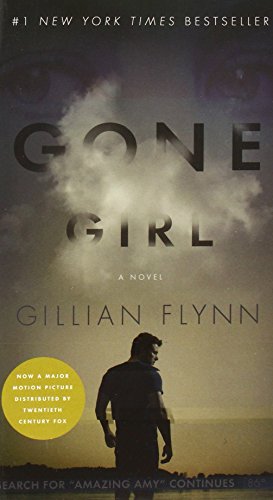
Ready to read Gone Girl?
Get it on Amazon →