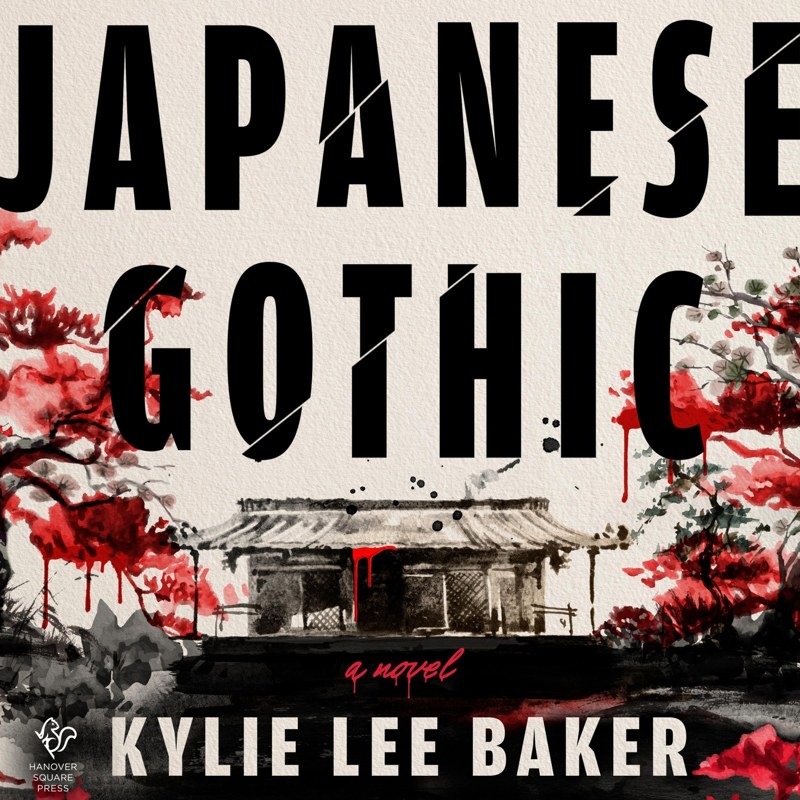
There is a particular vanity in the horror student who thinks the house on the hill is a homework assignment. Kylie Lee Baker knows better and she has built an estate where the walls keep two centuries of appointments. Somewhere inside it, a modern student and a samurai's daughter keep almost meeting.
What it's about
The premise is elegant in the way the best haunted houses are: one estate, two women, one hundred and fifty years of distance that the building refuses to honor. A contemporary student arrives for what she believes will be her first real shoot, a project, a place to point a camera. A samurai's daughter has been there far longer. They glimpse each other across the gap of time, a face in the wrong window, a figure that should not be standing where she is standing, until the distance between them stops behaving like distance at all and time folds in on itself.
Baker keeps the machinery spare, which is the point. This is a book about two people occupying the same rooms in different decades and the slow, cold dawning that occupancy might be the whole horror. Beyond that, the doors stay closed. Better to walk in without the floor plan.
Why everyone's talking about it
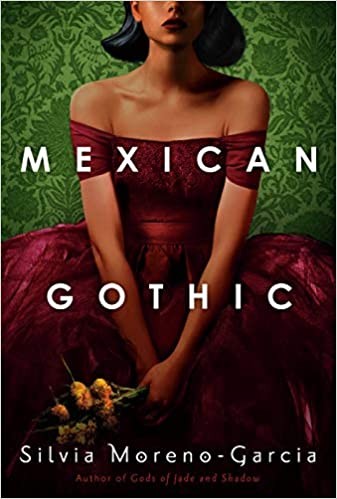
Baker already has a readership that trusts her with the uncanny and Gothic horror with a dual-timeline structure is catnip for the crowd that reread Mexican Gothic twice and wanted the house to win. The appeal here is atmosphere over jump scares: a haunting built from architecture, lineage and the specific dread of being watched by someone who was there first.
Know what you are signing up for. Readers who want their horror fast and loud, with a body count and a tidy exit, may find the pacing too patient and the fear too interior. But if your idea of a good scare is a room that remembers more than you do and a slow structural trick that pays off, this is aimed squarely at you. The women-in-old-houses, ghosts-as-inheritance reader will feel immediately at home, which is exactly the wrong feeling to have in a book like this.
The verdict, for now
Early signs point to the kind of Gothic that rewards a reader willing to sit in the quiet before the walls start talking back. If you loved Baker's earlier work or you collect haunted-estate novels the way some people collect old keys, move it up the pile. If you need your horror to move fast, wait for the reviews, then let someone else check the attic first.
Read it if you loved
Ready to read Japanese Gothic?
Get it on Amazon →