Bonnie Garmus published her debut novel at 64, after decades as a copywriter, which makes the runaway success of Lessons in Chemistry feel like a plot twist from its own pages. The book became one of the biggest sellers of 2022, spent well over a year on bestseller lists worldwide; it then became an Apple TV+ series starring Brie Larson. All of that momentum orbits a single unforgettable creation: Elizabeth Zott, a chemist who refuses to apologize for being one.
What it's about
Set in California in the 1950s and early 1960s, the novel follows Elizabeth Zott, a brilliant research chemist at the fictional Hastings Research Institute, where her male colleagues treat her talent as a threat or a curiosity. Her life intersects with Calvin Evans, a famous, socially awkward fellow scientist; their bond is one of genuine intellectual equality, which the era around them finds baffling.
Circumstances push Elizabeth out of the lab. She lands, improbably, as the host of a television cooking show called Supper at Six. Rather than play the smiling housewife, she teaches cooking as chemistry, addressing her audience of overlooked women as capable adults. The supporting cast includes her fiercely precocious daughter, a scene-stealing dog named Six-Thirty, plus a rowing subplot that Garmus, a rower herself, writes with obvious affection.
Why everyone's talking about it
The book arrived at a moment primed for stories about institutional sexism, told with warmth instead of grimness. Readers latched onto Elizabeth's deadpan refusal to shrink herself; book clubs latched onto the endlessly quotable narration. The dog gets his own point-of-view chapters, which sounds twee but became one of the most beloved elements. Word of mouth did the rest: this is the kind of novel people press into other people's hands with a "just trust me."
The verdict, for now
Lessons in Chemistry earns its popularity. It is funny, propulsive, genuinely angry about how mid-century America wasted women's minds. But it is not a subtle book. Elizabeth can read less like a woman of the 1950s than a modern sensibility dropped into period costume; nearly every man is a cartoonish villain or a saint. The tone also lurches, folding sexual assault and grief into a story that otherwise plays as whimsical comedy, a mix some readers find jarring rather than daring. If you want historical realism, look elsewhere. If you want a sharp, big-hearted underdog story with a periodic table on its apron, this delivers exactly what it promises.
Read it if you loved
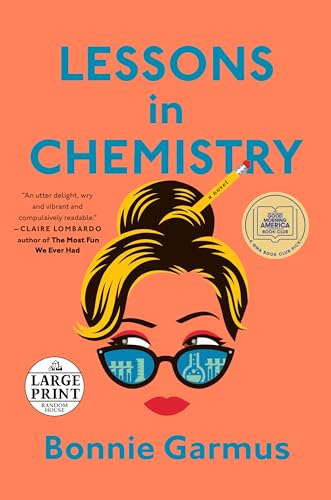
Ready to read Lessons in Chemistry?
Get it on Amazon →