Sixteen years after her monumental debut, Susanna Clarke returned with a book that could not be more different: slim, quiet and set almost entirely inside one impossible building. Piranesi is the rare novel that is genuinely hard to describe without spoiling the pleasure of not knowing, so approach it the way its narrator approaches his world, with patient wonder.
What it's about
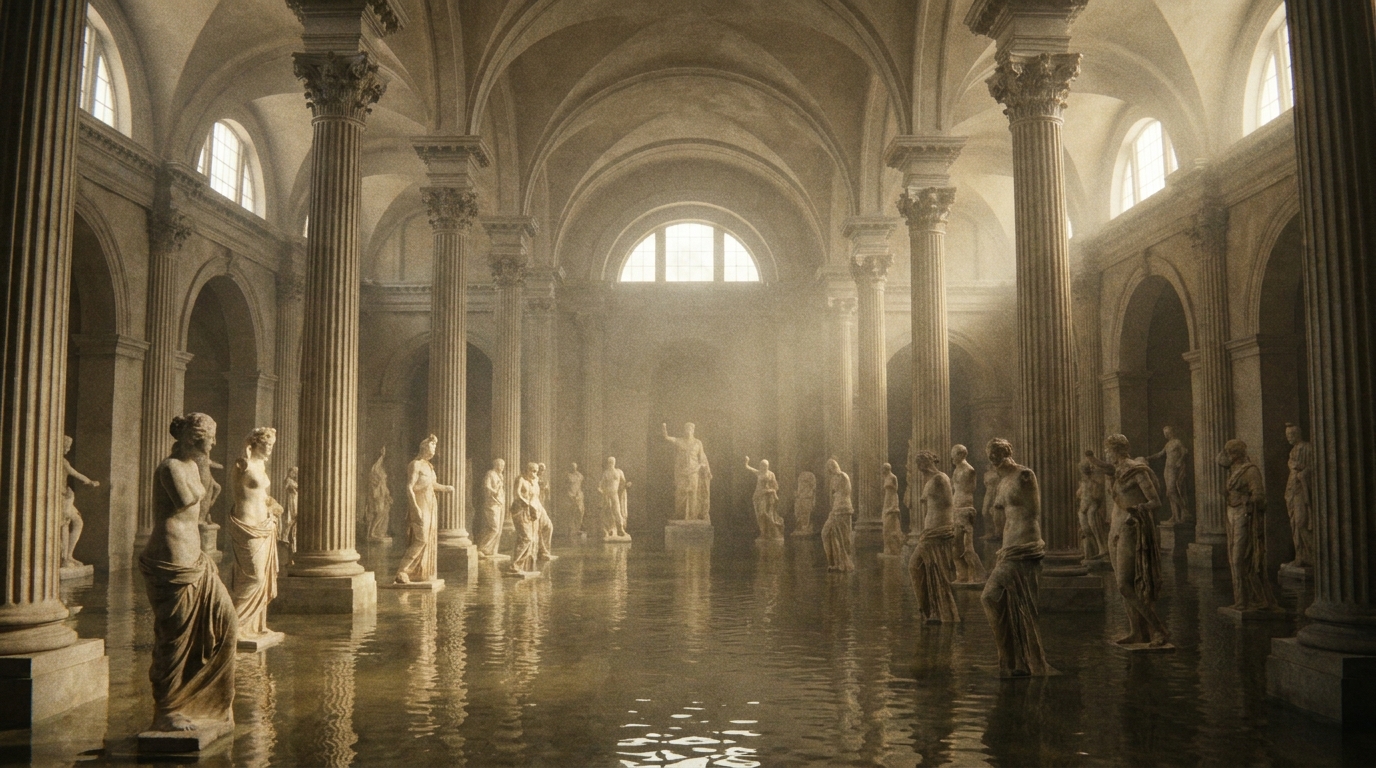
The narrator lives in the House, an endless structure of grand marble halls filled with thousands of statues. Tides move through the lower floors, clouds gather in the upper ones and birds nest in the arms of stone kings. He keeps meticulous journals, catalogues the halls, fishes the flooded corridors for food and tends the bones of the few dead who came before him. He is content. He believes the House is the entire world and that it loves him.
The only other living person is a man he calls the Other, who visits twice a week seeking a secret power hidden in the halls. But small inconsistencies begin to accumulate: a name that is not his, messages he does not remember writing, signs that someone else has been walking the halls. As the narrator follows the evidence, the true nature of the House and of himself slowly comes into focus and the gentle mystery turns quietly devastating.
Why everyone's talking about it
Piranesi won the Women's Prize for Fiction and became a word-of-mouth sensation among readers who love a book that trusts them to figure things out. It is short, hypnotic and utterly original, the kind of novel people finish and immediately want to reread to see the whole design. Clarke's spare, luminous prose makes the vast empty House feel strangely comforting rather than bleak.
If you love atmospheric, intelligent fiction and you are willing to be patient while a strange world explains itself on its own terms, this is a jewel. Readers who need constant action or clear early answers may find the opening slow and disorienting, which is entirely deliberate. Trust the narrator, keep reading and let the pieces assemble. The payoff is quiet but profound.
The verdict, for now
Read it and go in knowing as little as possible. Come for one of the most original settings in modern fiction, stay for a tender mystery about identity, captivity and grace. It is a small book that leaves a very large echo.
Read it if you loved

Ready to read Piranesi?
Get it on Amazon →