Some classics survive because schools assign them. Pride and Prejudice survives because readers keep choosing it, more than two hundred years after its 1813 publication. Jane Austen's second published novel remains the template for nearly every enemies-to-lovers story written since, yet the imitations rarely match the original's wit, precision or bite.
What it's about
Elizabeth Bennet is the second of five daughters in a genteel English family with a serious problem: their estate is entailed away to a male cousin, which means the girls must marry well or face real precarity. When the wealthy Mr. Bingley rents a nearby estate, he brings along his friend Mr. Darcy, a man of enormous fortune and apparently equal arrogance. Darcy snubs Elizabeth at a ball; she overhears it; the battle lines are drawn.
What follows is a slow, satisfying reversal. Elizabeth's quick judgments turn out to be less reliable than she believes, while Darcy's coldness conceals something more complicated. Around them, Austen arranges a gallery of unforgettable supporting players: the mortifying Mrs. Bennet, the oily clergyman Mr. Collins, the charming and untrustworthy Wickham. Every subplot sharpens the central question of how well anyone can really know another person, or themselves.
Why everyone's talking about it
The book has never stopped being adapted, referenced or argued over. The 1995 BBC series and the 2005 film keep recruiting new readers; Bridget Jones's Diary, countless retellings and half the modern romance genre borrow its bones. On social media it circulates endlessly through quotes, Darcy discourse and hand-flex edits. Austen's opening line about a single man in possession of a good fortune may be the most quoted sentence in English fiction. Few novels this old feel this alive in contemporary conversation.
The verdict, for now
This is one of the rare classics that reads like a pleasure rather than a homework assignment. Austen's irony is genuinely funny; her dialogue still snaps; the romance earns every beat because both leads have to change to deserve each other. The honest caveats: the social world is narrow, focused almost entirely on the marriage prospects of the gentry while servants and the poor stay invisible, a limitation later writers like Jo Baker have answered directly. The formal Regency prose also asks for patience in the opening chapters. Give it fifty pages. Once Elizabeth and Darcy start sparring, the book explains its own two-century reputation better than any review can.
Read it if you loved
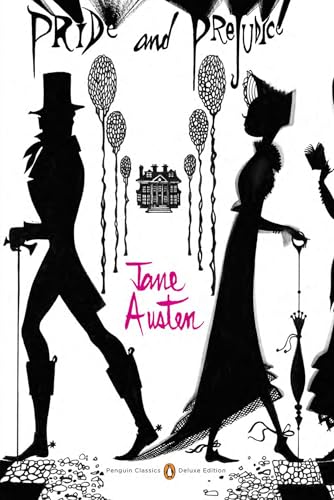
Ready to read Pride and Prejudice?
Get it on Amazon →