Few nonfiction books in recent memory have jumped from the bestseller list straight into school-board meetings, legislative hearings and family dinner-table fights the way The Anxious Generation has. Jonathan Haidt set out to explain why teen mental health fell off a cliff in the early 2010s and his answer has become one of the most influential and hotly debated arguments of the decade.
What it's about
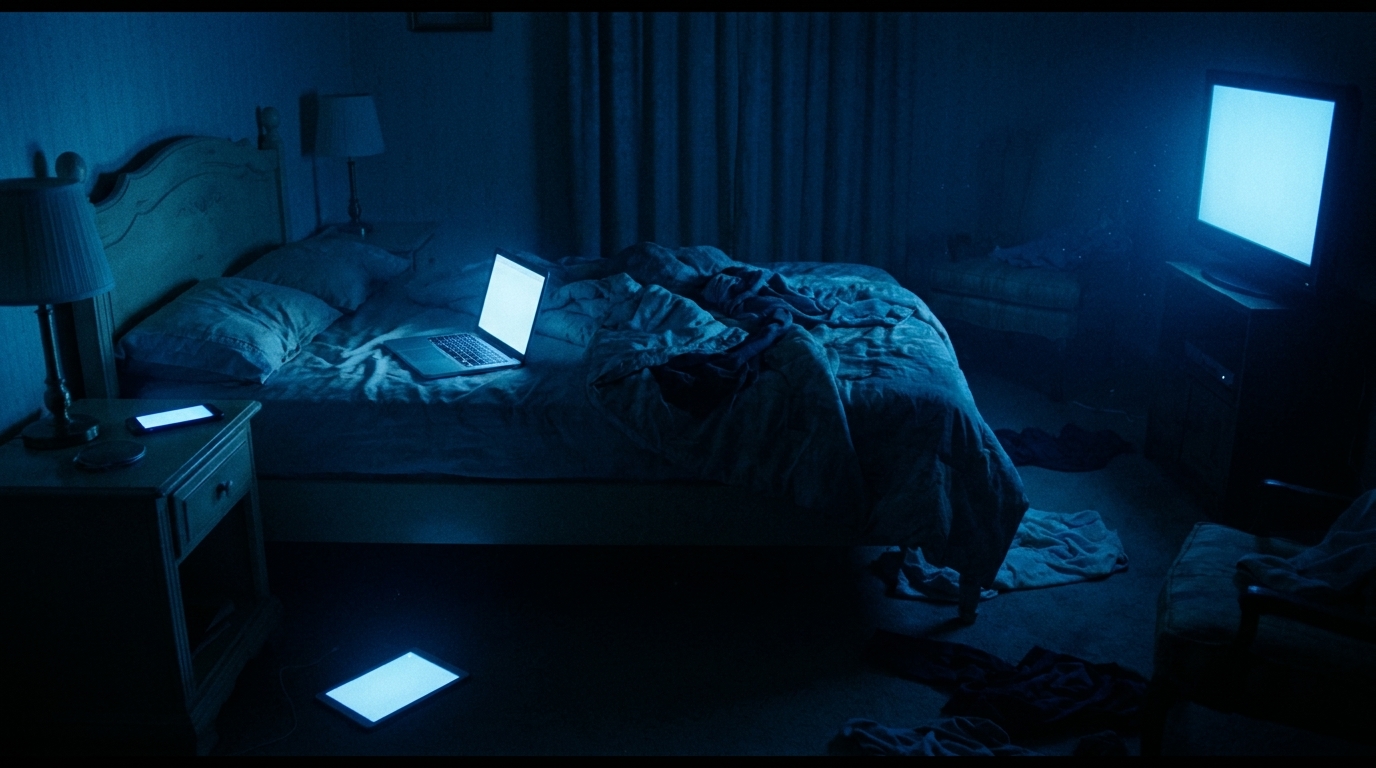
Haidt's thesis is blunt: somewhere around 2012, childhood was rewired. The play-based, in-person, moderately risky upbringing that shaped every prior generation was swapped, almost overnight, for a phone-based one of endless scrolling, social comparison and indoor isolation. He marshals a wall of data to argue that this "great rewiring" is a central driver of the surging rates of anxiety, depression and loneliness among young people, especially girls.
Crucially, the book does not stop at diagnosis. Haidt names four foundational reforms, from no smartphones before high school to far more independent, unsupervised play and makes the case that the crisis is a collective-action problem families can only solve together. Whether or not you buy every claim, he hands you a clear framework and a to-do list.
Why everyone's talking about it
The Anxious Generation has driven real-world change, cited in phone-free-school policies and legislation around the world and it has drawn equally passionate pushback from researchers who argue the science is messier than the book suggests. That controversy is part of why it matters: it set the terms of the entire debate about kids and screens.
If you are a parent, teacher or anyone trying to make sense of the youth mental-health crisis, this is essential reading, even where you push back. Readers should know that some social scientists dispute how firmly the data supports a direct causal claim, so it is worth reading with a critical eye. Come for the alarming charts and stay for a concrete plan you can actually act on.
The verdict, for now
Read it and argue with it. Come for the most talked-about explanation of the teen anxiety epidemic, stay for a practical playbook that has already changed how schools and families handle phones. Agree or not, this is the book the conversation now runs through.
Read it if you loved

Ready to read The Anxious Generation?
Get it on Amazon →