Long before mindfulness became a wellness industry, The Power of Now was quietly reshaping how millions of people related to their own thoughts. Eckhart Tolle's slim, insistent book has one core message and it repeats and circles it until, for many readers, something clicks. It is either a doorway to real calm or a bit too mystical and often the same reader feels both.
What it's about
Tolle's premise is that the mind is a magnificent tool that has quietly become our master. We spend almost all our waking life either replaying the past or rehearsing the future and that constant mental noise, not our actual circumstances, is the true source of most suffering. The remedy is the present moment: the now, which is the only time anything ever actually happens and the one place the anxious, story-telling mind cannot follow.
Written largely as a question-and-answer dialogue, the book coaxes the reader toward noticing the difference between their thoughts and the awareness underneath them. Tolle calls the habitual, complaining mind the "pain-body" and offers presence as the way to loosen its grip. It is less a set of techniques than a single perspective shift, delivered with a serene, almost hypnotic confidence.
Why everyone's talking about it
The Power of Now became one of the best-selling spiritual books of the modern era, boosted by an Oprah endorsement and by decades of word of mouth. It helped seed the entire mainstream mindfulness movement and its central idea, be here now, has become a cultural commonplace.
If you are drawn to contemplative, spiritual writing and want a book that can genuinely quiet a racing mind, this is a touchstone. Readers who prefer secular, evidence-based approaches or who bristle at mystical language and repetition may find it hard going. Come for the central insight about presence and stay for a calm that, for the right reader, actually arrives.
The verdict, for now
Read it when your mind will not stop and read it slowly. Come for the one big idea about living in the present, stay for a genuinely steadying shift in perspective. It asks you to meet it halfway and rewards those who do.
Read it if you loved
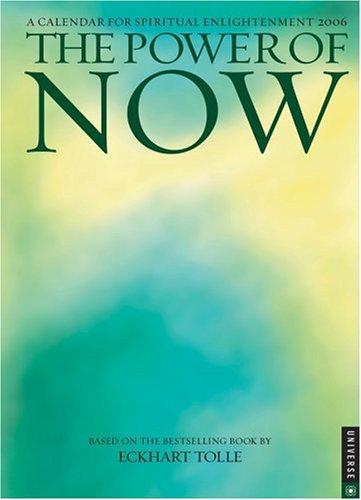
Ready to read The Power of Now?
Get it on Amazon →