Some books become curriculum. Wonder became something closer to a movement. R.J. Palacio's 2012 debut about a boy with a facial difference starting school for the first time sold millions of copies, spawned the "Choose Kind" campaign, landed a Julia Roberts movie in 2017; it also quietly changed how a generation of classrooms talked about empathy. That kind of cultural saturation usually signals either a masterpiece or a manipulation. Wonder sits somewhere in between, which is exactly why it is worth reading with clear eyes.
What it's about
August Pullman, Auggie to everyone who loves him, was born with a craniofacial condition that has required years of surgeries. He has been homeschooled his whole life. Now his parents have decided he will enter fifth grade at Beecher Prep, a private school in Manhattan, where he will have to do the thing he dreads most: let ordinary kids look at his face. What follows is a school year of lunchroom politics, a friendship that fractures under peer pressure, a betrayal overheard on Halloween; small events that land like earthquakes when you are ten.
Palacio's structural gamble is the book's signature. The narration rotates through multiple voices: Auggie, his older sister Via, his friends, even his sister's boyfriend. Each section reframes what came before, showing how one boy's presence ripples through a family and a school. The prose is simple, direct, built for young readers, anchored by teacher Mr. Browne's monthly precepts about how to live.
Why everyone's talking about it
Wonder arrived at the exact moment schools were hungry for an anti-bullying text that did not feel like a lecture, then it exceeded that job description. Palacio has said the book began with a real encounter outside an ice cream shop, when her own son reacted to a child with a facial difference; that origin story, honest about adult failure, gave the book its moral credibility. Teachers built units around it. Parents read it aloud through cracked voices. The film adaptation renewed the phenomenon five years later.
The verdict, for now
The book's warmth is real; so are its flaws. The ending tilts toward wish fulfillment, resolving a year of genuine cruelty with applause that feels more comforting than true. Some disability advocates have fairly noted that Auggie's story often centers how other people grow by knowing him, a framing worth discussing with young readers rather than ignoring. But few middle-grade novels have gotten this many kids to sit with discomfort and come out kinder. That is not nothing. That might be the whole point.
Read it if you loved
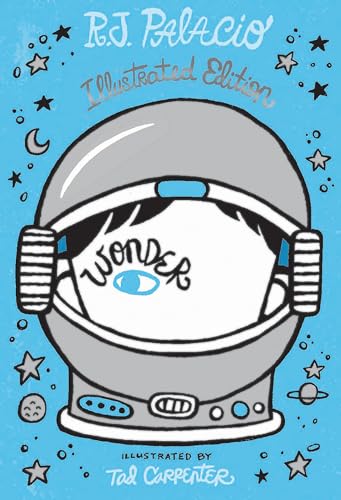
Ready to read Wonder?
Get it on Amazon →