Every few years a policy book escapes the policy world and becomes the thing everyone at dinner is arguing about. Abundance is that book for 2025. Ezra Klein of the New York Times and Derek Thompson of The Atlantic wrote a short, punchy case that America's biggest problems are not about what we can afford but about what we refuse to let ourselves build. It debuted at number one, launched a thousand podcast debates and turned the word "abundance" into a political label people now claim or reject.
What it's about
The argument starts with a puzzle. The places most committed to progressive goals, think California or New York, are often the worst at delivering them. Housing is scarcest where leaders talk most about affordability. High-speed rail dies in environmental review. Clean energy waits years for permits while the climate clock runs. Klein and Thompson trace this to a politics built in the 1970s to block bad things, which over decades hardened into a machine that blocks nearly everything, including the things liberals say they want most.
Their answer is a liberalism that measures itself by outcomes instead of process: build the housing, the transmission lines, the trains and the scientific capacity, then judge institutions by what they produce. Chapters move through housing, energy, government capacity, science funding and invention, each pairing a maddening case study with a vision of what a functional version would look like.
Why everyone's talking about it
Beyond the sales numbers, the book did something rarer: it created a faction. "Abundance liberalism" became shorthand in mayoral races, Substack wars and think tank panels. Critics on the left argue it lets corporate power off the hook and underrates the fights that got those protections written in the first place. Skeptics on the right note how much of it concedes their old points about regulation. That both sides felt compelled to respond is the tell. The book moved the debate onto its own turf.
The verdict, for now
Abundance is best read as a manifesto rather than a blueprint. It is stronger on diagnosis than on the gritty politics of getting from here to there. Readers who want deep policy detail will finish it hungry. But as a clear, energetic reframing of what government is for, it earns its bestseller run. If you want to understand the argument reshaping Democratic politics right now, this is the primary source.
Read it if you loved
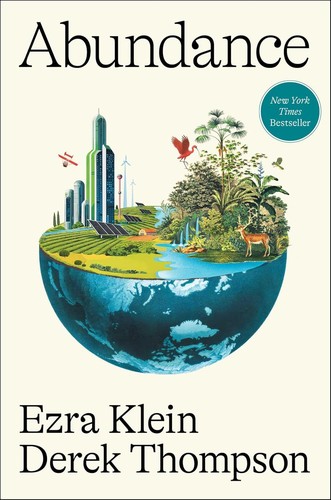
Ready to read Abundance?
Get it on Amazon →