Few memoirs arrive with the weight of expectation that greeted Becoming in late 2018. Michelle Obama could have delivered a cautious victory lap; plenty of political memoirs are exactly that. Instead she wrote something warmer, stranger in places, more openly wounded than anyone predicted. The result became one of the best-selling memoirs in publishing history, a book that outsold nearly everything else released that year.
What it's about
Becoming is structured in three movements: Becoming Me, Becoming Us, Becoming More. The first traces her childhood on the South Side of Chicago, raised in a working-class family where her father worked at the city water plant despite living with multiple sclerosis. It follows her through Princeton, Harvard Law, then a corporate law career she quietly came to doubt. The second section covers meeting a young summer associate named Barack Obama, their marriage, her pivot away from law toward community-focused work in Chicago.
The third act is the White House, told from the strange vantage of a woman who never wanted political life. She is candid about the costs: the scrutiny of her body, the racist caricatures, the loss of ordinary privacy for her daughters. She also opens up about topics first ladies rarely touch, including a miscarriage, conceiving her daughters through IVF, seeking marriage counseling. Those disclosures give the book its emotional spine.
Why everyone's talking about it
The commercial numbers alone made headlines; the book sold millions of copies within weeks of release, its arena tour felt more like a stadium concert than an author event, the audiobook won a Grammy. But the deeper reason it stuck is tone. Obama writes about ambition, self-doubt, marriage strain, racial double standards in a voice that feels like a candid friend rather than a public figure managing a legacy. For readers who felt politics had become exhausting, this was a political book that mostly refused to behave like one.
The verdict, for now
Becoming deserves most of its reputation. It is well-paced, emotionally honest about family life, genuinely illuminating on what the White House does to a person who never asked for it. The fair criticism is that it stays guarded exactly where curious readers want more; policy fights, West Wing tensions, her real assessments of political opponents are handled briefly or diplomatically, with the notable exception of her blunt anger over the birther conspiracy. If you want score-settling or insider detail, look elsewhere. If you want a memoir about identity, marriage, reinvention under impossible scrutiny, this one still sets the standard.
Read it if you loved
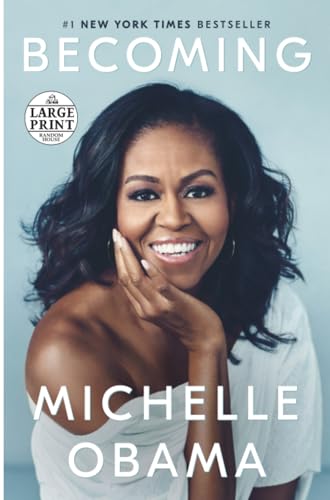
Ready to read Becoming?
Get it on Amazon →