John Grisham has spent thirty years inventing courtroom injustices. Framed is what happens when he stops inventing. Written with Jim McCloskey, the founder of Centurion Ministries and the godfather of the modern innocence movement, it collects ten true stories of Americans convicted of crimes they did not commit. Each author takes five cases. Neither has to exaggerate anything.
What it's about
The format is simple: one wrongful conviction per chapter, told from crime to verdict to the long, grinding fight for exoneration. The details vary, a murdered family in Texas, a rape case built on junk forensics, the infamous Norfolk Four coerced into confessing to a crime none of them committed, but the machinery fails in familiar ways. Jailhouse informants trade testimony for leniency. Prosecutors bury evidence. Forensic "experts" testify to science that is not science. Once a jury says guilty, every actor in the system becomes invested in keeping it that way, sometimes for decades, sometimes past an execution date.
McCloskey's chapters carry particular weight because he lived them: he spent forty years visiting prisons, re-investigating cold files and walking men out of prison as old men who entered young. Grisham's are, unsurprisingly, the most propulsive. The two voices alternate cleanly and the book moves like a collection of short legal thrillers, except every twist is documented.
Why everyone's talking about it
Grisham's name put wrongful conviction stories in front of readers who would never pick up an academic account and the book became an instant bestseller. It also drew attention for its anger. This is not a balanced survey; it is an indictment. Both authors say plainly that the system's errors fall hardest on the poor and on Black defendants. Some cases were still generating headlines and appeals as the book hit shelves, which gave the paperback conversation an unusual urgency.
The verdict, for now
Ten cases told at pace means depth sometimes loses to momentum. Readers versed in innocence literature will know several stories already. But as a gateway into the subject, it is devastatingly effective: clear, humane and impossible to put down without wanting to do something. Read it alongside Just Mercy and you will never watch a true-crime confession the same way again.
Read it if you loved
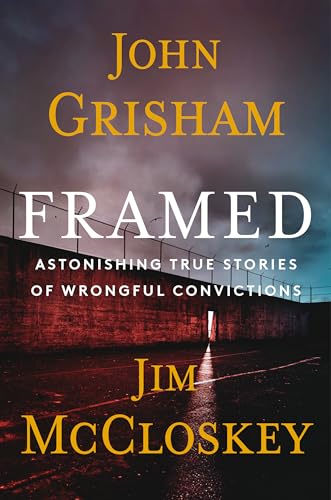
Ready to read Framed?
Get it on Amazon →