In November 1959, two ex-convicts drove hundreds of miles across Kansas to rob a farmhouse they believed held a safe full of cash. There was no safe. By morning, four members of the Clutter family were dead; the town of Holcomb would never fully recover. Truman Capote spent the next six years reconstructing what happened. The result invented a genre, which means In Cold Blood is the book every true crime writer since has been measured against.
What it's about
The book braids two storylines toward a single terrible night. One follows the Clutters of Holcomb: Herb, a prosperous, universally respected farmer; his wife Bonnie; their teenage children Nancy and Kenyon. The other trails Perry Smith and Dick Hickock, two parolees chasing a cellmate's tip about money that never existed. Capote reconstructs the murders, the six-week manhunt, the trial, the years on death row, closing with the killers' executions in 1965. His research, conducted alongside his childhood friend Harper Lee, ran to thousands of pages of interviews with townspeople, investigators, the murderers themselves.
What makes the book singular is its treatment of Perry Smith. Capote renders him not as a monster but as a damaged, almost sympathetic figure whose brutal childhood curdled into violence. That intimacy gives the narrative its unsettling power. You finish unsure whether you have read a crime story, a psychological study or a quiet argument about capital punishment; it works as all three.
Why everyone's talking about it
Capote called it the first nonfiction novel, a claim that made the book famous twice over: once for the story, once for the method. It became one of the bestselling true crime books ever published, has never gone out of print, keeps resurfacing through adaptations, from Richard Brooks's 1967 film to the Philip Seymour Hoffman biopic Capote. Every modern true crime boom, podcasts included, traces its DNA straight back to Holcomb.
The verdict, for now
The prose holds up beautifully: cold, precise, novelistic in the best sense. The honest caveat is the reporting. Journalists have documented scenes Capote embellished or apparently invented, including the book's famous closing scene in the cemetery; his claim of total factual accuracy does not survive scrutiny. His emotional closeness to Smith raises ethical questions the book never quite confronts. Read it as a masterpiece of narrative craft built on journalism that bends, sometimes past breaking. On those terms it earns every bit of its reputation.
Read it if you loved
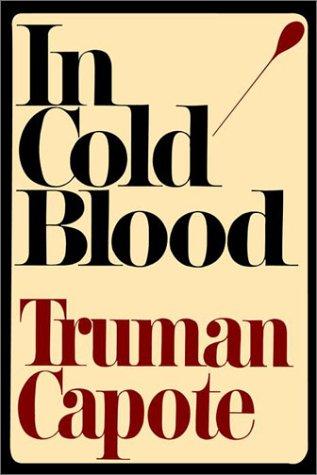
Ready to read In Cold Blood?
Get it on Amazon →