Most personal finance advice boils down to nagging: stop buying coffee, cut the fun, feel guilty. Ramit Sethi built a hugely popular brand by rejecting all of that. I Will Teach You to Be Rich is a cheerful, practical, borderline pushy step-by-step program and its lasting appeal is that it actually tells you what to do, in order, this week.
What it's about
The book is organized as a six-week action plan and it is refreshingly concrete. Sethi walks you through optimizing your credit cards, opening the right no-fee bank and investment accounts and above all automating the whole system so your money flows to savings, bills and investments without your willpower having to show up every month. On investing, his advice is deliberately boring and correct: buy low-cost index funds, leave them alone and let time do the work.
The philosophy underneath is what sets it apart. Sethi thinks obsessing over small expenses is a waste of energy. Instead he preaches conscious spending: figure out what you genuinely love, whether that is travel, eating out or something else and spend extravagantly on it, while cutting ruthlessly on everything you do not care about. Money, in his framing, is not about restriction but about designing a "rich life" on your own terms.
Why everyone's talking about it
The book became a modern personal finance staple and Sethi's follow-on shows and social media turned him into one of the most recognizable money voices around, especially for millennials and Gen Z. Its automation-first, guilt-free approach has shaped how a whole generation sets up its finances.
If you are a beginner who wants a clear, do-this-then-that system rather than theory, this is arguably the best starting point available. Readers who are already financially sophisticated or want advanced investing detail will find it basic by design and the breezy tone is not for everyone. Come for the six-week automation plan and stay for a genuinely liberating way of thinking about spending.
The verdict, for now
Read it and actually do the exercises. Come for the concrete, automate-everything system, stay for the conscious-spending philosophy that makes managing money feel like freedom rather than punishment. For a first money book, it is hard to beat.
Read it if you loved
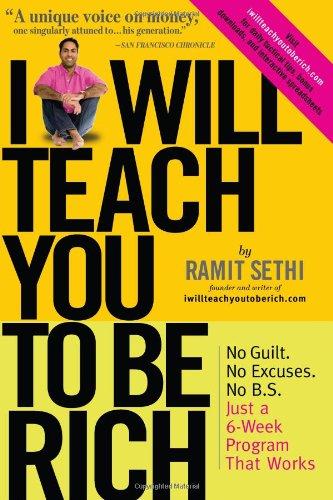
Ready to read I Will Teach You to Be Rich?
Get it on Amazon →