Some books get recommended so often the recommendation becomes wallpaper. Then you actually read Man's Search for Meaning and understand why it never goes away. Viktor Frankl was a Viennese psychiatrist deported to Auschwitz in 1944. His wife, parents and brother died in the camps. He survived. Within a year he had dictated this short book: half memoir of the camps, half introduction to the school of therapy he built from what he saw there. Twelve million copies later, it remains the book people hand each other in the worst weeks of their lives.
What it's about
The first half is unlike other Holocaust memoirs because of the lens. Frankl writes as a clinician observing his own dehumanization, noting what happened psychologically to prisoners at each stage: the shock of arrival, the numbness that followed, the inner decisions that separated those who collapsed from those who endured. His unsparing conclusion is that the prisoners who kept some purpose alive, a person to see again, work left unfinished, even a chosen attitude toward suffering itself, held on longest. Everything could be taken from a man, he writes, except the last human freedom: to choose one's own response.
The second half explains logotherapy, his answer to Freud. Where Freud saw a drive for pleasure and Adler a drive for power, Frankl argues the primary human drive is meaning, found through work, through love or through the stance we take toward unavoidable suffering. He quotes Nietzsche's line that became the book's motto: he who has a why to live for can bear almost any how.
Why everyone's talking about it
It never stopped being talked about. It sits permanently on lists of the most influential books ever published, anchors half the modern meaning and purpose literature and resurfaces with every crisis, pandemic years included. Therapists assign it, coaches quote it, students discover it. Few books written in nine days have shaped a century of thought this thoroughly.
The verdict, for now
Modern readers should know the logotherapy section is a product of its era; the case studies feel dated and psychology has moved on in method if not in spirit. Read it anyway. The first hundred pages are among the most clarifying ever written about suffering and choice, delivered without a wasted sentence. This is the rare classic that earns the word.
Read it if you loved
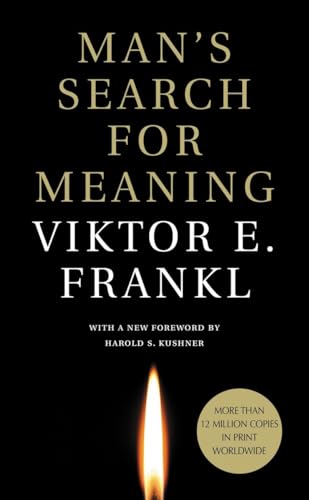
Ready to read Man's Search for Meaning?
Get it on Amazon →