Some ideas become so widespread that we forget they had an author. "Growth mindset" is one of them, a phrase now heard in classrooms, boardrooms and parenting books everywhere. Mindset is where it started and going back to the source is worthwhile, because Carol Dweck makes the case with a clarity and evidence base that the endless secondhand versions tend to lose.
What it's about
Dweck's research points to a simple but powerful fork. People with a fixed mindset believe their intelligence and talents are fixed traits, so every challenge becomes a test of whether they have it or not and failure feels like a verdict. People with a growth mindset believe abilities can be developed through effort and learning, so challenges become opportunities and setbacks become information. The same situation, she shows, produces very different behavior depending on which belief you hold.
From there the book traces how mindset plays out across life: in school, sports, business, relationships and parenting. Dweck is careful about the nuances that popularizers often flatten, growth mindset is not just praising effort or telling people they can do anything and she is honest that everyone holds a mix of both mindsets in different areas. The takeaway is genuinely hopeful: the way you interpret your own struggles is not fixed either.
Why everyone's talking about it
Mindset became one of the most influential psychology books of the century, reshaping how schools teach and how companies think about talent, though its very success spawned oversimplified versions that Dweck herself has spent years correcting. Reading the original is the best cure for the watered-down slogans.
If you want to understand achievement, resilience and how beliefs shape behavior, this is a foundational, readable text. Readers should know some of the classroom research has been debated and that the real idea is subtler than the "just try harder" caricature. Come for the fixed-versus-growth framework and stay for a nuanced, evidence-based account of how much our view of ourselves shapes what we do.
The verdict, for now
Read the original, not the summaries. Come for the growth-mindset idea everyone quotes, stay for the careful research and honest nuance behind it. It is a genuinely useful lens and worth understanding properly rather than as a slogan.
Read it if you loved
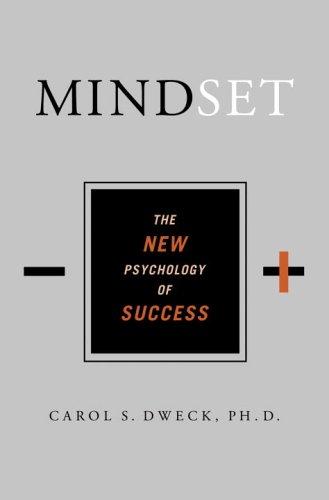
Ready to read Mindset?
Get it on Amazon →