What if the prophesied hero failed? That is the question Brandon Sanderson opens with in Mistborn: The Final Empire, the 2006 novel that turned him from a promising newcomer into the most influential architect of modern epic fantasy. A thousand years after the good guys lost, ash falls from the sky, mist rules the night; an immortal tyrant called the Lord Ruler presides over an empire built on slavery. Into this bleak setup Sanderson drops something unexpected: a heist story.
What it's about
Kelsier is a charismatic thief, the only person known to have survived the empire's brutal prison mines. He assembles a crew of specialists for the ultimate job: toppling the Lord Ruler himself. His recruits include Vin, a distrustful street urchin who discovers she is Mistborn, one of the rare few who can use every power in the book's magic system rather than just one.
That magic system, Allomancy, is the novel's engine. Practitioners swallow specific metals; burning them internally grants distinct abilities, from enhanced senses to pushing or pulling on nearby metal objects. The rules are strict, clearly explained, then exploited with real ingenuity. Fight scenes read like chess played at high speed, because you always understand what is possible. This rigor became so associated with the author that fans now talk about "Sanderson's Laws" of magic.
Why everyone's talking about it
Mistborn remains the standard recommendation for anyone entering adult fantasy, nearly two decades on. It anchors Sanderson's larger Cosmere universe, which now spans dozens of interconnected books; his record-shattering Kickstarter campaigns and enormous online following keep pulling new readers back to this starting point. BookTok rediscovers Vin's story every year. For lapsed fantasy readers burned by unfinished series, the completed trilogy is a reliable pitch.
The verdict, for now
This is a masterclass in plotting, worldbuilding, payoff. The final act lands one of the genre's most satisfying conclusions, with reveals that recontextualize the whole book. The honest caveat: Sanderson's prose is functional rather than beautiful. Sentences exist to deliver information, characters sometimes explain their feelings a bit too plainly; the middle section, heavy on training sequences and ballroom espionage, sags for some readers. If you want lyrical style, look toward Rothfuss or Le Guin. If you want a story that clicks together like precision machinery while still hitting hard emotionally, few books in the genre do it better. Start here; most people who do keep going.
Read it if you loved
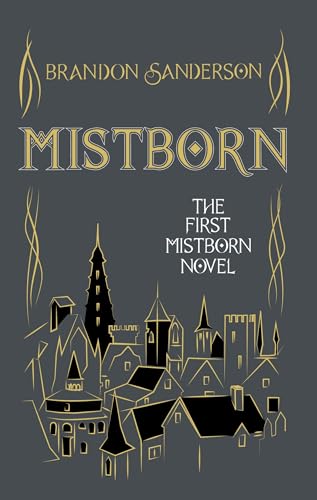
Ready to read Mistborn: The Final Empire?
Get it on Amazon →