Nearly two decades after it was published, The Name of the Wind still sits at the top of every "best fantasy" recommendation thread on the internet. Patrick Rothfuss's 2007 debut took a familiar shape, the gifted orphan who talks his way into a school of magic, then elevated it with prose that readers consistently describe as musical. It also launched one of the most famously unfinished trilogies in modern publishing. Both facts are worth knowing before you start.
What it's about
The novel opens in a quiet country inn run by a man called Kote, who is clearly more than he seems. When a traveling scribe known as Chronicler recognizes him as Kvothe, a figure of near-mythic reputation, the innkeeper agrees to tell his true story over three days. This book is day one. The frame matters: Kvothe is narrating his own legend, which means every boast might be embellishment. Rothfuss builds that uncertainty into the architecture of the story.
The tale itself follows Kvothe from a childhood among the Edema Ruh, a troupe of traveling performers, through tragedy at the hands of the mysterious Chandrian, years of hard survival on city streets, then his admission to the University, where magic is studied as something closer to science. He is brilliant, poor, reckless; his rivalries, debts and obsessions drive most of the plot. Music runs through everything, including his fixation on an elusive young woman named Denna.
Why everyone's talking about it
The book became a word-of-mouth phenomenon on release, earned praise from writers like Ursula K. Le Guin, then found new life on BookTok, where its lyrical style keeps winning over younger readers. The other reason it stays in the conversation is less flattering: the sequel, The Wise Man's Fear, arrived in 2011; the concluding volume, The Doors of Stone, still has no release date. The long wait has become part of the book's identity, discussed almost as much as the story itself.
The verdict, for now
If you love immersive, voice-driven fantasy with a strong narrator, this is one of the genre's most rewarding entry points. It comes with honest caveats, though. Kvothe's relentless brilliance strikes some readers as wish fulfillment; the female characters, Denna especially, are thinly drawn by comparison; the middle stretches meander. Most of all, you are buying into a trilogy with no ending in sight. Go in with open eyes; the prose alone may still make it worth your while.
Read it if you loved
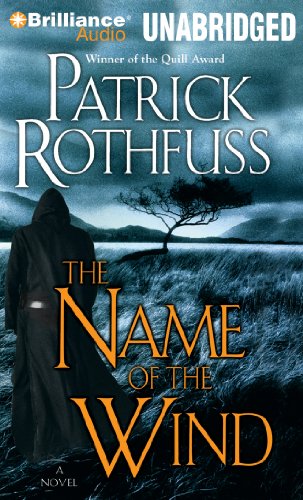
Ready to read The Name of the Wind?
Get it on Amazon →