Before the trilogy, before the films, before fantasy became an industry, there was a hobbit in a hole in the ground. Published in 1937, The Hobbit began as a story Tolkien told his children. It became the doorway through which generations of readers first entered Middle-earth; it remains the gentlest, funniest, most approachable thing he ever wrote.
What it's about
Bilbo Baggins is a comfortable, respectable hobbit who wants nothing to do with adventures. Then the wizard Gandalf arrives with thirteen dwarves led by the exiled Thorin Oakenshield, who intend to reclaim their mountain kingdom from the dragon Smaug. Bilbo is recruited, somewhat against his will, as the company's burglar. What follows is a classic quest narrative: trolls, goblins, giant spiders, a barrel escape, a dragon hoard.
The heart of the book is Bilbo's transformation. He starts as baggage the dwarves resent carrying. Chapter by chapter he becomes resourceful, brave, even cunning; his riddle contest with the creature Gollum, deep beneath the Misty Mountains, produces the found ring that later anchors The Lord of the Rings. By the time the Battle of Five Armies arrives, Bilbo has become the story's moral center, choosing peace over treasure.
Why everyone's talking about it
The Hobbit never really stopped selling; it is one of the best-loved children's books ever published, with estimated sales in the range of 100 million copies. It keeps finding new audiences through the Peter Jackson film trilogy, through readers who work backward from The Lord of the Rings, through parents who read it aloud the way Tolkien originally intended. Nearly every modern fantasy quest, from Earthsea to Eragon, is in conversation with this book whether it admits it or not.
The verdict, for now
This is the rare classic that earns its reputation. The prose is warm, the humor lands, the pacing moves; it is also the ideal on-ramp for readers intimidated by the trilogy's density. It has real limitations, though. The structure is episodic, essentially a string of encounters, so momentum sags between set pieces. The thirteen dwarves are mostly interchangeable outside Thorin. There is not a single female character of consequence, a gap that reads more starkly now than in 1937. Some adult readers find the intrusive storyteller narration twee. None of this sinks it. As an adventure, as a fable about ordinary courage, as the foundation stone of a genre, The Hobbit holds up remarkably well. Start here, then decide if you want the deeper waters of Mordor.
Read it if you loved
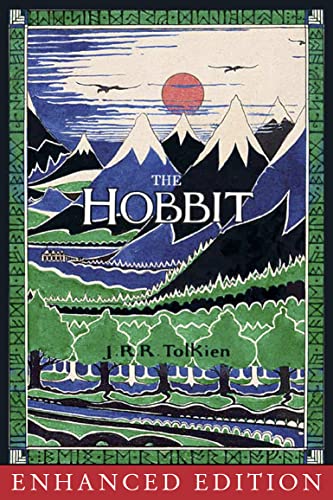
Ready to read The Hobbit?
Get it on Amazon →