The first line of Andre Agassi's memoir lands like a serve to the body: he hates tennis. Has always hated it. That confession, from a man who won eight Grand Slam titles as one of the most famous athletes on earth, sets the tone for a book that refuses to behave like standard sports hagiography. Published in 2009, "Open" remains the benchmark against which every athlete memoir gets measured.
What it's about
Agassi traces his life from a Las Vegas childhood dominated by his father, a former Olympic boxer who built a ball machine his son called "the dragon" and demanded thousands of practice shots a day. Tennis was never chosen; it was imposed. The book follows Agassi through the Bollettieri academy he despised, his rebellious image-is-everything years, a marriage to Brooke Shields that never quite fit, a crash in the rankings and the improbable late-career comeback that turned him into one of the sport's most beloved figures.
The revelations made headlines on their own. Agassi admits to using crystal meth in 1997 and lying to the ATP to avoid a suspension. He confesses that his famous flowing hair was partly a hairpiece, one he feared would fall off mid-match at the 1990 French Open final. Beneath the tabloid material sits a quieter story about finding meaning in work you never picked, his bond with trainer Gil Reyes and the slow-building romance with Steffi Graf.
Why everyone's talking about it
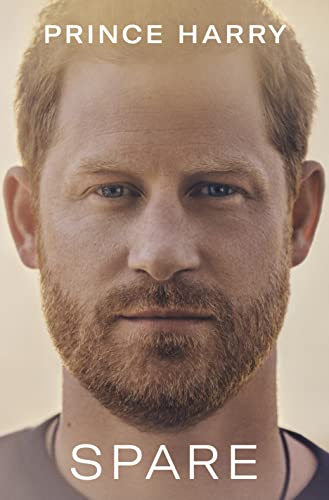
Credit belongs partly to J.R. Moehringer, the Pulitzer-winning writer behind "The Tender Bar," who worked on the book yet insisted his name stay off the cover. The prose runs in a propulsive present tense that puts you inside matches point by point, which is why critics who normally ignore sports books praised it. Moehringer later brought the same approach to Prince Harry's "Spare," sending readers back to the memoir where the method was perfected.
The verdict, for now
"Open" earns its reputation. It is honest about failure, ego and the strangeness of being raised as a product. It has limits, though. The "I hate tennis" refrain gets hammered so often it starts to feel like a literary device rather than a lived truth, while some in the sport, Martina Navratilova among them, argued the meth admission was treated too gently given the lie that covered it. Read it anyway. Even skeptics of athlete memoirs tend to finish this one in a weekend.
Read it if you loved
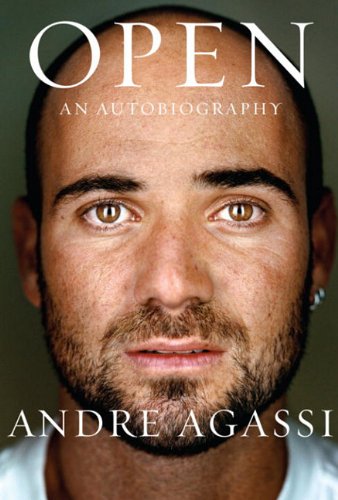
Ready to read Open?
Get it on Amazon →