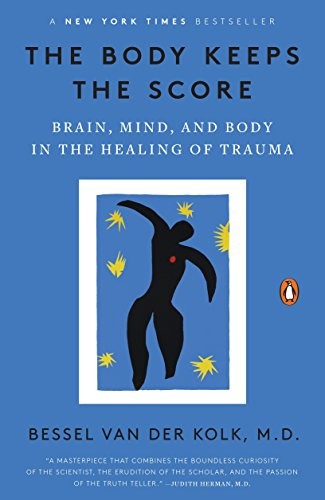
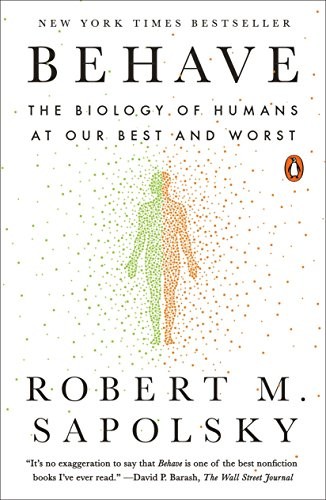
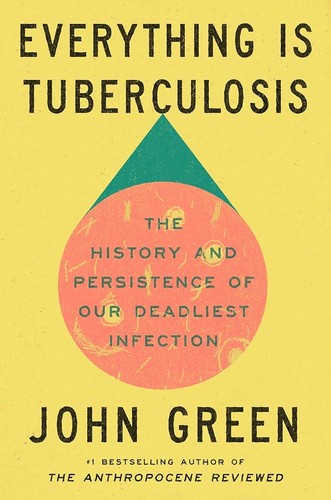
Few science books have changed as many bedtimes as this one. Matthew Walker, a sleep scientist at UC Berkeley, published Why We Sleep in 2017 with a blunt thesis: sleep is not a luxury or a scheduling problem but the single most powerful lever we have for physical and mental health. The book became an international bestseller, earned an endorsement from Bill Gates and turned "sleep hygiene" into dinner-party conversation. Nearly a decade later, it remains the default recommendation for anyone who suspects their 2 a.m. scrolling habit is costing them something.
What it's about
Walker organizes the book around big questions: what sleep is, why we need it, how we dream and why modern life is at war with all three. He walks through the architecture of a night's sleep, the alternating cycles of REM and non-REM, then connects each stage to a job: memory consolidation, emotional regulation, immune repair, creative problem-solving. His recurring argument is that shorting sleep shorts every one of those systems at once.
The second half turns prosecutorial. Walker links chronic sleep deprivation to weight gain, cardiovascular disease, weakened immunity and cognitive decline, then indicts the usual suspects: caffeine, alcohol, screens, early school start times and workplace cultures that treat exhaustion as a badge of honor. He closes with practical guidance, including his much-quoted advice to protect a consistent eight-hour sleep opportunity every night, keep the bedroom cool and dark and treat sleeping pills with deep skepticism.
Why everyone's talking about it
The book landed at the exact moment hustle culture was curdling into burnout culture, so its permission slip to sleep more felt almost radical. Walker's TED talk pushed the message to tens of millions of viewers; wearable sleep trackers turned his framework into a nightly scorecard. It also became a lightning rod. A widely circulated 2019 critique by researcher Alexey Guzey catalogued errors and overstatements in the first chapter, sparking a genuine debate about accuracy in popular science writing. Controversy, as usual, only widened the readership.
The verdict, for now
As motivation, this book works. Readers routinely report treating sleep more seriously after finishing it, which is a rare outcome for any health title. The honest caveat: Walker's rhetoric sometimes outruns his evidence. Several claims, particularly the starkest mortality statistics, have been credibly challenged, so it reads best as a passionate opening argument rather than a settled verdict. Take the alarm seriously; hold the specific numbers loosely. On those terms it earns its reputation as the book that made sleep a priority again.
Read it if you loved
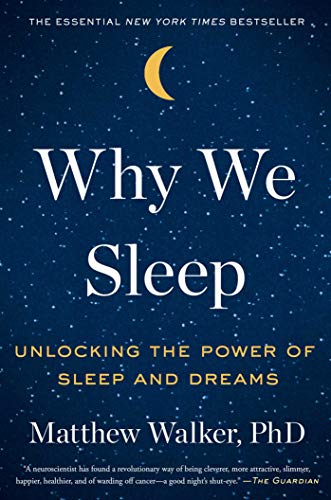
Ready to read Why We Sleep?
Get it on Amazon →